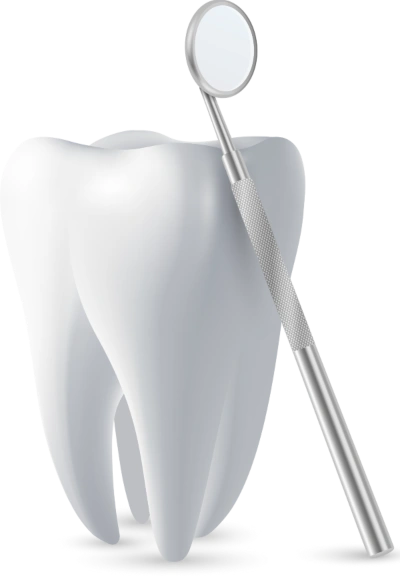
Preventive dentistry is the foundation for a healthy smile. With regular cleanings and exams, small dental issues can be caught before they turn into large and costly problems. Preventive dental care along with a diligent at-home brushing and flossing routine can help prevent dental issues all together. Preventive care is particularly important for children because once good oral health habits are established, they’re more likely to continue those habits throughout adulthood and have healthier smiles as a result. Contact your pediatric dentist in Fremont to schedule your child’s preventive appointment.


More permanent teeth come in, the second molars often get sealed, and kids in contact sports benefit from a custom-fitted mouthguard.

Routine dental cleanings and oral exams are the most important part of preventive care. With regular cleanings, you can prevent the buildup of plaque and tartar on your child’s teeth and reduce their risk of gum disease and cavities. With routine oral exams from Dr. Michael, you can get insights on their oral health, how to care for their teeth properly, and information about preventive treatments like dental sealants and fluoride, which can help protect their teeth from bacteria and decay.
Silver Diamine Fluoride (SDF) arrests tooth decay in baby teeth. It uses a blend of silver, ammonia, water, and fluoride that kills bacteria and prevents further decay, keeping your child’s tooth healthy until it falls out naturally. It is possible that your child’s tooth may still need a filling or crown in the future, and it’s only used in baby teeth because it will permanently stain the treated area black.
Dental sealants use a transparent liquid resin, which is applied directly to the teeth and is hardened using a UV light. This creates an impenetrable seal on your child’s tooth, which stops bacteria, acid, and food particles from causing cavities. This treatment is usually recommended specifically for the cavity-prone rear teeth.
Dr. Michael will examine your child’s mouth, gums, and oral tissues, and look for discolored patches, lumps, growths, and other such abnormalities. In the rare case that an issue is found, a biopsy may be taken and sent to a specialist for further analysis, or the dentist will refer you to a specialist directly.
Routine dental cleanings and oral exams are the most important part of preventive care. With regular cleanings, you can prevent the buildup of plaque and tartar on your child’s teeth and reduce their risk of gum disease and cavities. With routine oral exams from Dr. Michael, you can get insights on their oral health, how to care for their teeth properly, and information about preventive treatments like dental sealants and fluoride, which can help protect their teeth from bacteria and decay.
Oral cancer screenings are an essential part of preventive care, even for children. Screenings are a part of your child’s oral exams and can be performed quickly, safely, and usually without your child noticing.
Dr. Michael will examine your child’s mouth, gums, and oral tissues, and look for discolored patches, lumps, growths, and other such abnormalities. In the rare case that an issue is found, a biopsy may be taken and sent to a specialist for further analysis, or the dentist will refer you to a specialist directly.
Dental visits every 6 months allow Dr. Michael to become familiar with their oral health, so they can address any issues before they become larger problems.
You should brush your child’s teeth twice a day for two minutes until they’re 6 years old, or are able to tie their shoes on their own. After this, we recommend making brushing a family activity. You can demonstrate proper technique to your children, and make sure they’re brushing regularly.
You will need to floss your child’s teeth for them until they’re about 10, since it’s a lot harder to learn proper flossing technique than it is to learn proper brushing technique.
Flossing your child’s teeth will not be dissimilar to flossing your own. Depending on their age, you may need to find a toy or distraction to keep them entertained while you floss their teeth. Floss holders may be helpful for toddlers so they don’t bite your fingers. Just make sure you’re flossing between every two teeth that make contact and behind their most rear molar.
We recommend flossing your child’s teeth once per day, and having them rinse with water or mouthwash after flossing to remove any food particles that were dislodged during the process.
Yes. Almost every dental insurance plan covers preventive care, like six-month cleanings and exams, for dependents. Silver Diamine Fluoride treatments and dental sealants may also be covered, in some cases. However, coverage for each insurer and dental plan varies, so we recommend consulting directly with your insurer to learn about coverage limits for pediatric preventive care, covered treatments, and other such information.
We use cookies to improve your experience on our site. By using our site, you consent to cookies.
Manage your cookie preferences below:
Essential cookies enable basic functions and are necessary for the proper function of the website.
CloudFlare provides web performance and security solutions, enhancing site speed and protecting against threats.
Service URL: developers.cloudflare.com (opens in a new window)
These cookies are needed for adding comments on this website.
Google reCAPTCHA helps protect websites from spam and abuse by verifying user interactions through challenges.
Google Tag Manager simplifies the management of marketing tags on your website without code changes.
Statistics cookies collect information anonymously. This information helps us understand how visitors use our website.
Google Analytics is a powerful tool that tracks and analyzes website traffic for informed marketing decisions.
Service URL: policies.google.com (opens in a new window)
Marketing cookies are used to follow visitors to websites. The intention is to show ads that are relevant and engaging to the individual user.
Google Maps is a web mapping service providing satellite imagery, real-time navigation, and location-based information.
Service URL: policies.google.com (opens in a new window)